
-
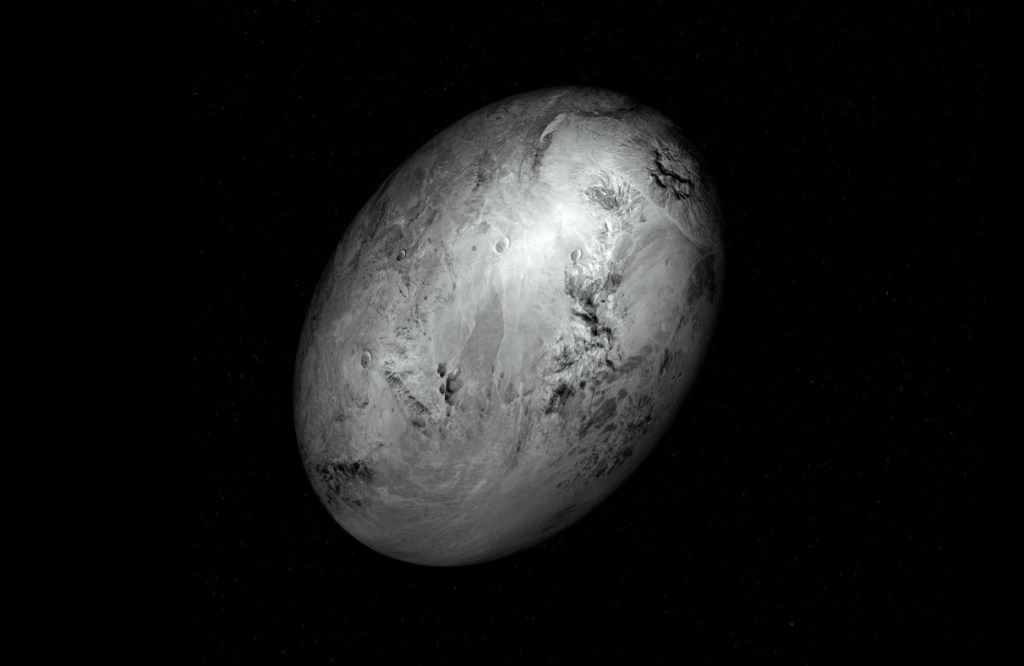
In a recent study, astronomers have advanced our understanding of the complex dynamics of the Haumea system, a dwarf planet located in the Kuiper Belt, beyond Neptune. Haumea is known for its rapid rotation, unique shape, and the presence of two moons, Hi’iaka and Namaka, along with a ring system and a family of spectrally…
-
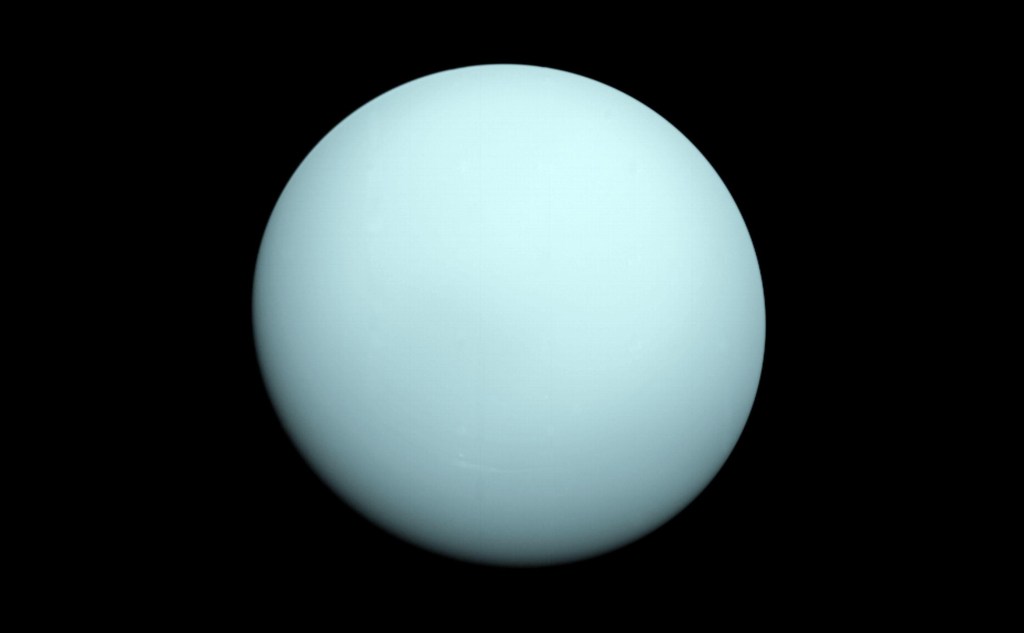
A new study of Uranus contributes to our understanding of planetary formation, with scientists asserting that the noble gases argon, krypton, and xenon could provide critical insights into the cosmic lineage of the distant ice giant. These inert gases, known for their lack of chemical reactivity and propensity to remain unchanged over eons, are now…
-
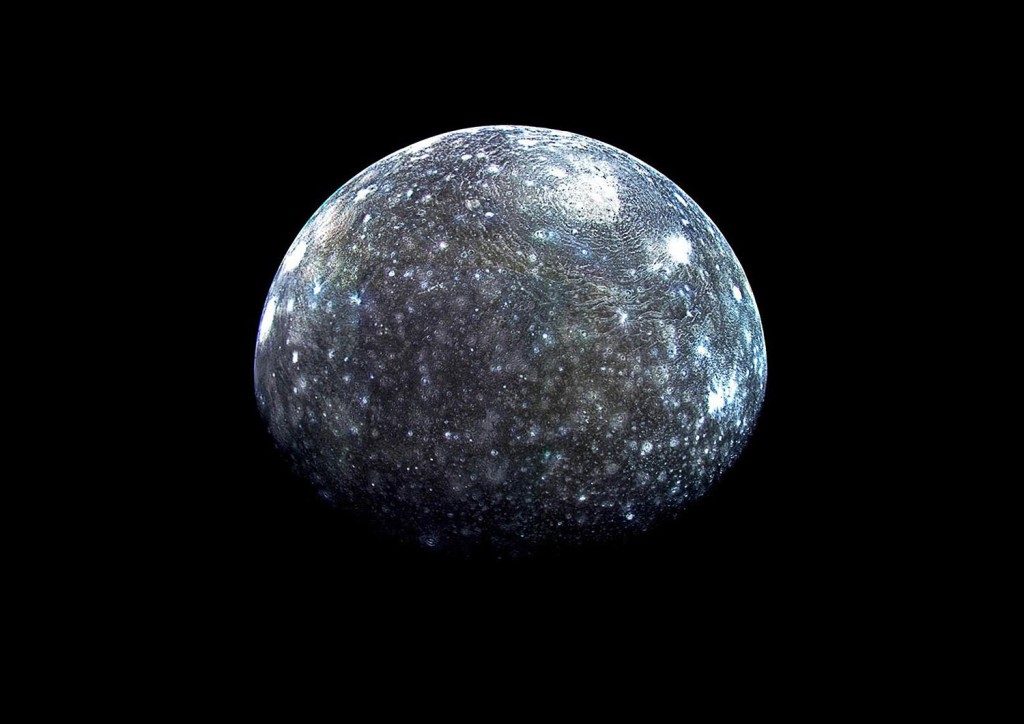
Utilizing the James Webb Space Telescope (JWST), astronomers have unveiled new insights into the atmospheric composition of Callisto, one of Jupiter’s Galilean moons. The research, conducted with the NIRSpec Integrated Field Unit, has revealed the presence of carbon dioxide (CO2) gas across Callisto’s atmosphere, marking the first detection of CO2 gas over the moon’s trailing…
-
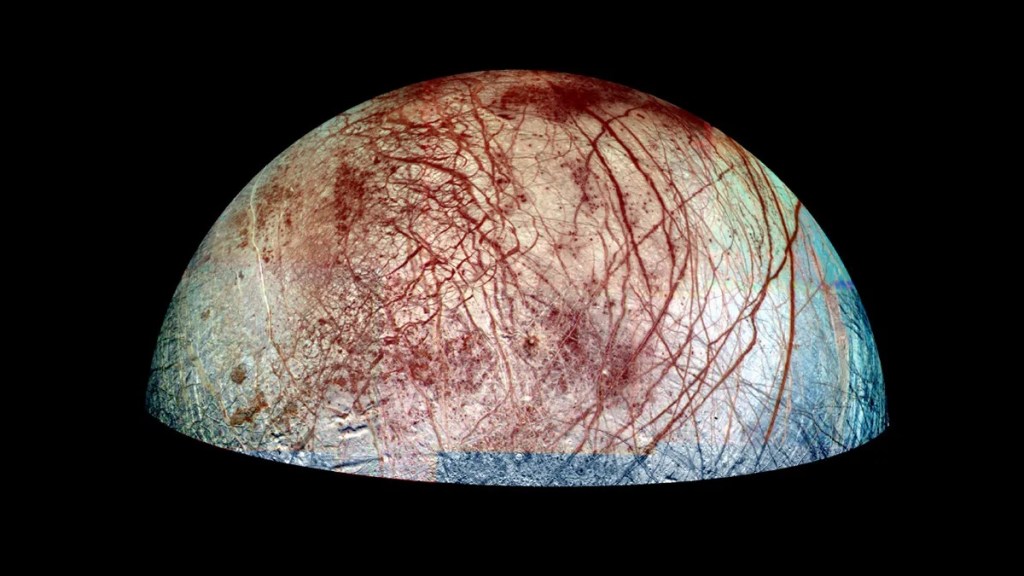
In a groundbreaking study focused on Jupiter’s moon Europa, scientists have delved into the mysteries lying beneath its icy exterior, revealing significant findings about its subsurface properties. Utilizing data from the Atacama Large Millimeter/submillimeter Array (ALMA), the research team embarked on a detailed examination of Europa’s near-subsurface, spanning depths of approximately 1 to 20 centimeters.…
-

In an unprecedented exploratory effort that spanned the years 2006, 2009, and 2010, astronomers harnessed the capabilities of the MMT Observatory’s Red Channel spectrograph to delve into the mysteries surrounding Jupiter’s irregular satellites, including JVI Himalia, JVII Elara, JVIII Pasiphae, JIX Sinope, JX Lysithea, JXI Carme, JXII Ananke, and JXVII Callirrhoe. This comprehensive study, employing…
-
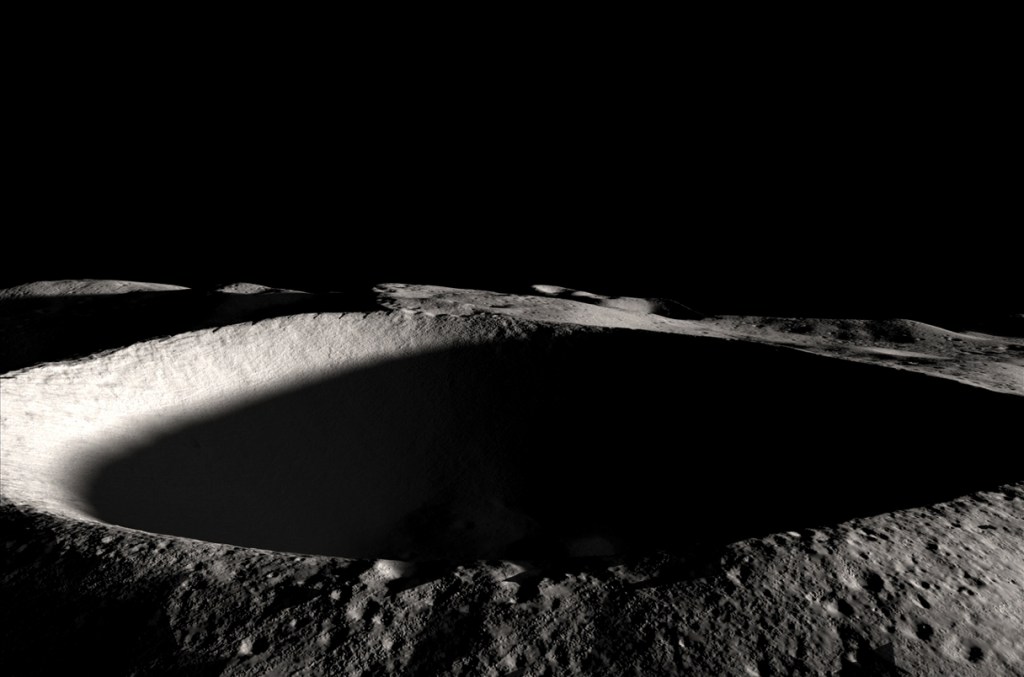
In a significant leap for lunar science and exploration, researchers have unveiled new insights into the moon’s most enigmatic features—its permanently shadowed regions (PSRs). These cold traps, nestled within the lunar poles, are believed to house condensed volatiles, including potentially vast reserves of water ice, which are of paramount importance for both scientific inquiry and…
-
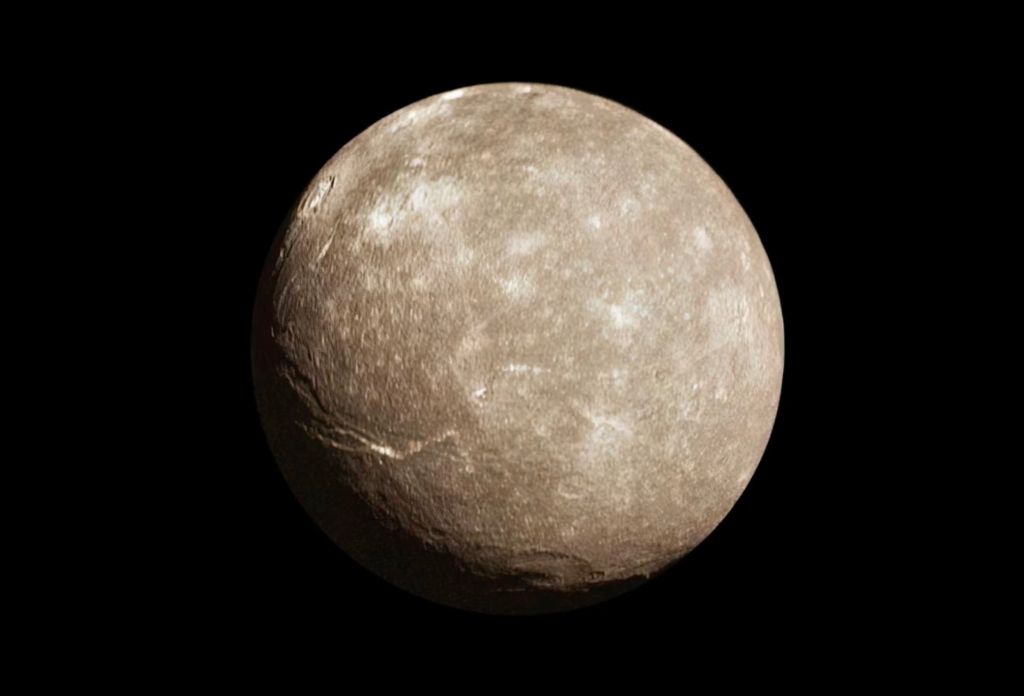
In a recent study, scientists have unveiled new aspects of Titania, the largest of Uranus’s moons, revealing a surface intricately marked by both craters and significant tectonic activities.
-
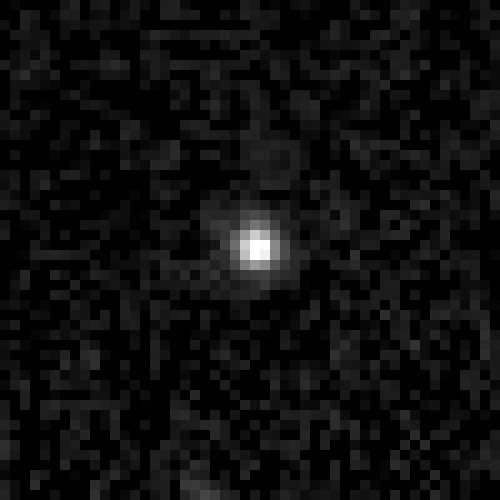
In a new study, scientists have deepened our understanding of the enigmatic rings surrounding Chariklo, the largest known Centaur—a small body orbiting between Jupiter and Neptune. With a diameter of approximately 250 km, Chariklo was discovered to possess two thin rings, marking the first discovery of its kind outside the giant planets. These findings, initially…
-
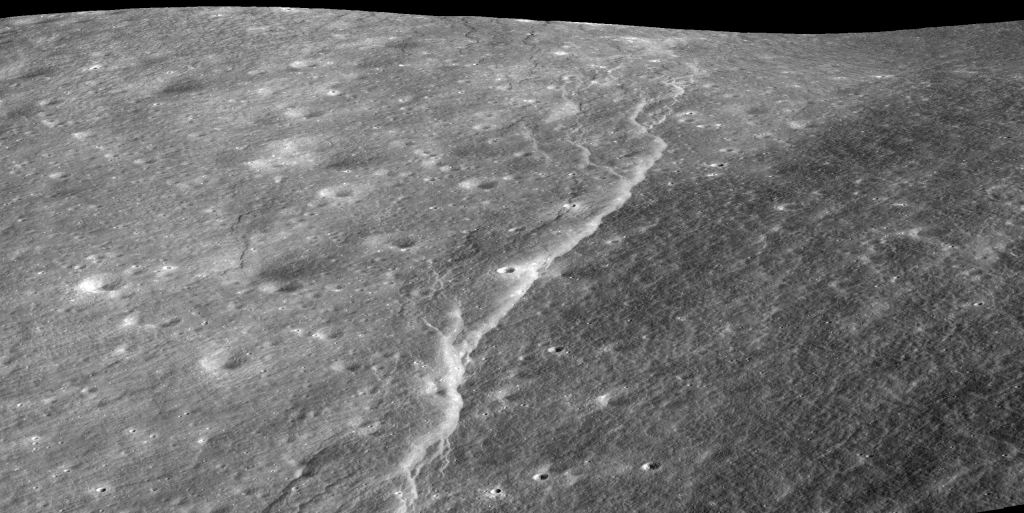
A recent study has cast a spotlight on the dynamic tectonic landscape of the Moon’s south pole, revealing a series of features pointing to ongoing seismic activity. Notably, the de Gerlache Rim 2 region, a candidate landing site for the Artemis III mission, is home to a cluster of these scarps, underscoring the need for…
-
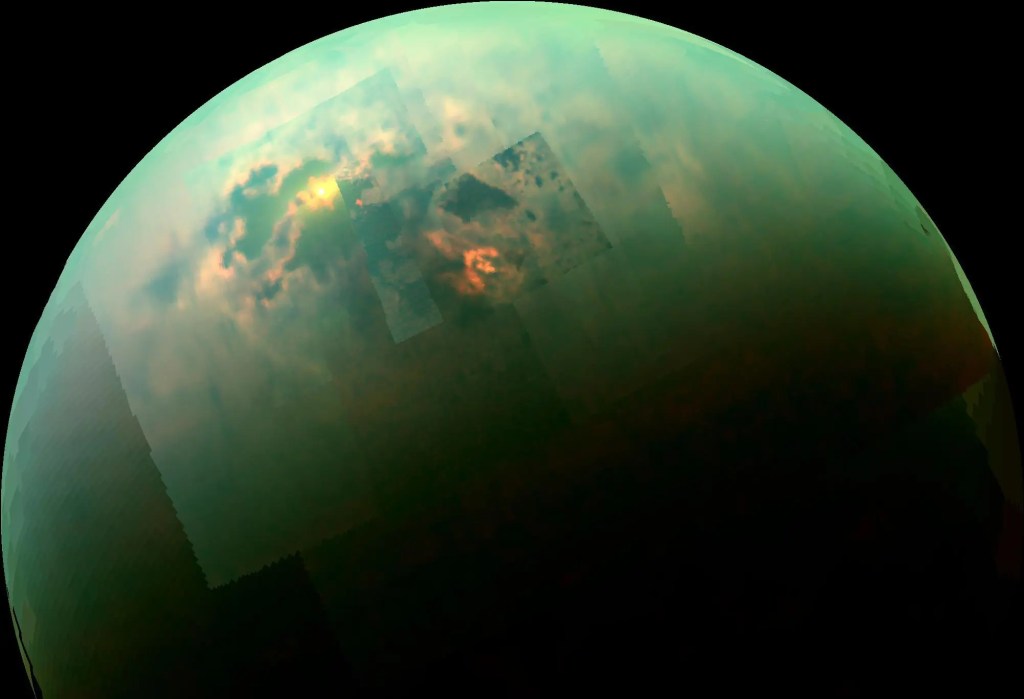
A closer look at observations by the Cassini spacecraft has provided compelling evidence of a global ocean beneath the ice shell of Saturn’s moon Titan. The study suggests that Titan’s ice shell is not rigidly fixed but floats atop a vast, subsurface ocean.
Bringing you news about the universe down to earth daily
Proudly Powered by WordPress
 ad*astra daily