
-
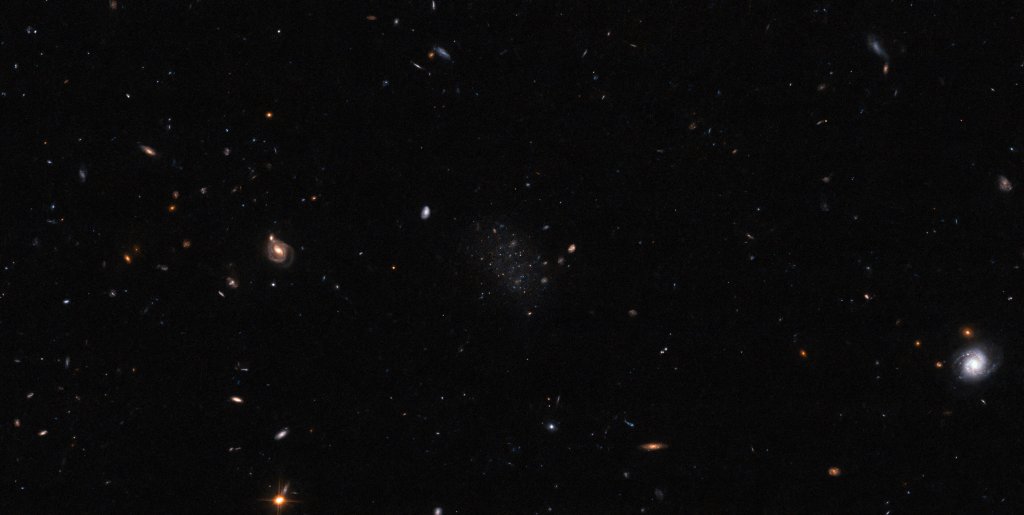
Recent astronomical research has sparked a discussion within the scientific community about the existence of extended stellar halos in ultrafaint dwarf galaxies. Notably, the outskirts of dwarf galaxies in the Local Group have unveiled stars that suggest the presence of these halos. This discovery is pivotal, considering the prevailing notion that such structures were predominantly…
-
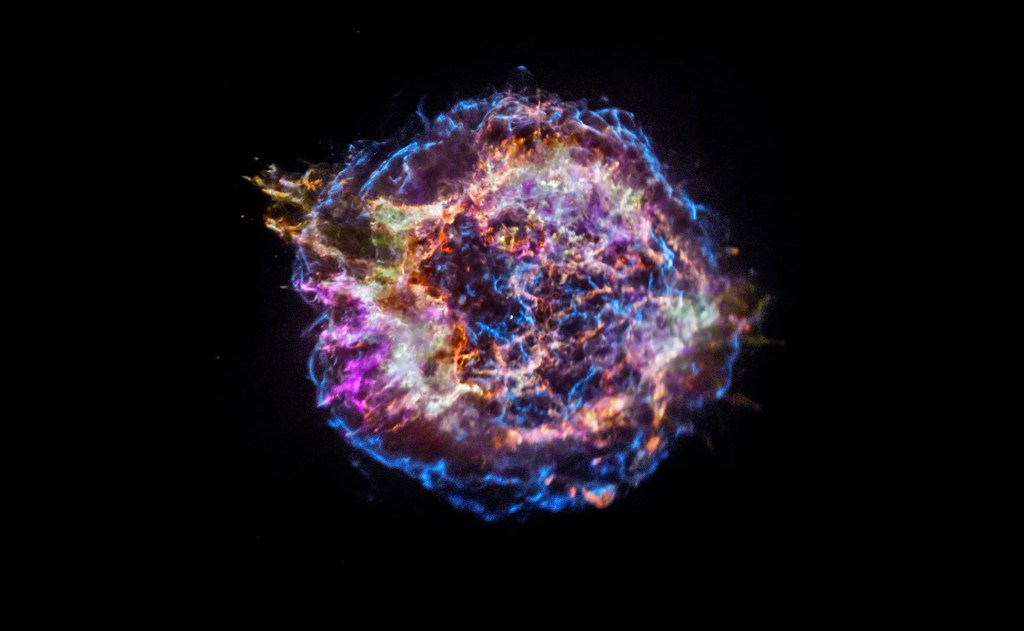
In a recent study, the historic supernova remnant (SNR) Cassiopeia A (Cas A) has been observed with the LHAASO KM2A detector, challenging the long-standing belief that such remnants are the primary sources of cosmic rays (CRs) reaching PeV (Petaelectronvolt) energies in our galaxy.
-
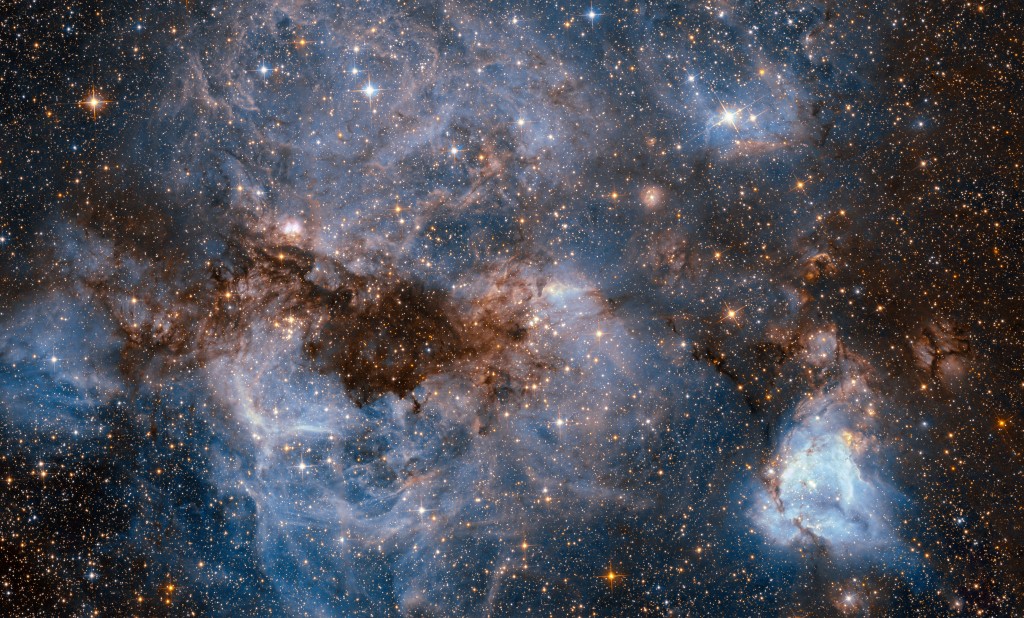
In a new study utilizing Gaia Data Release 3 among other spectroscopic surveys, astronomers have identified 519 high-velocity stars (HiVels) traversing the Milky Way at speeds exceeding 70% of the local escape velocity. These stars, predominantly metal-poor late-type giants, exhibit complex trajectories and origins. Notably, nine of these stars are prime candidates for escaping the…
-
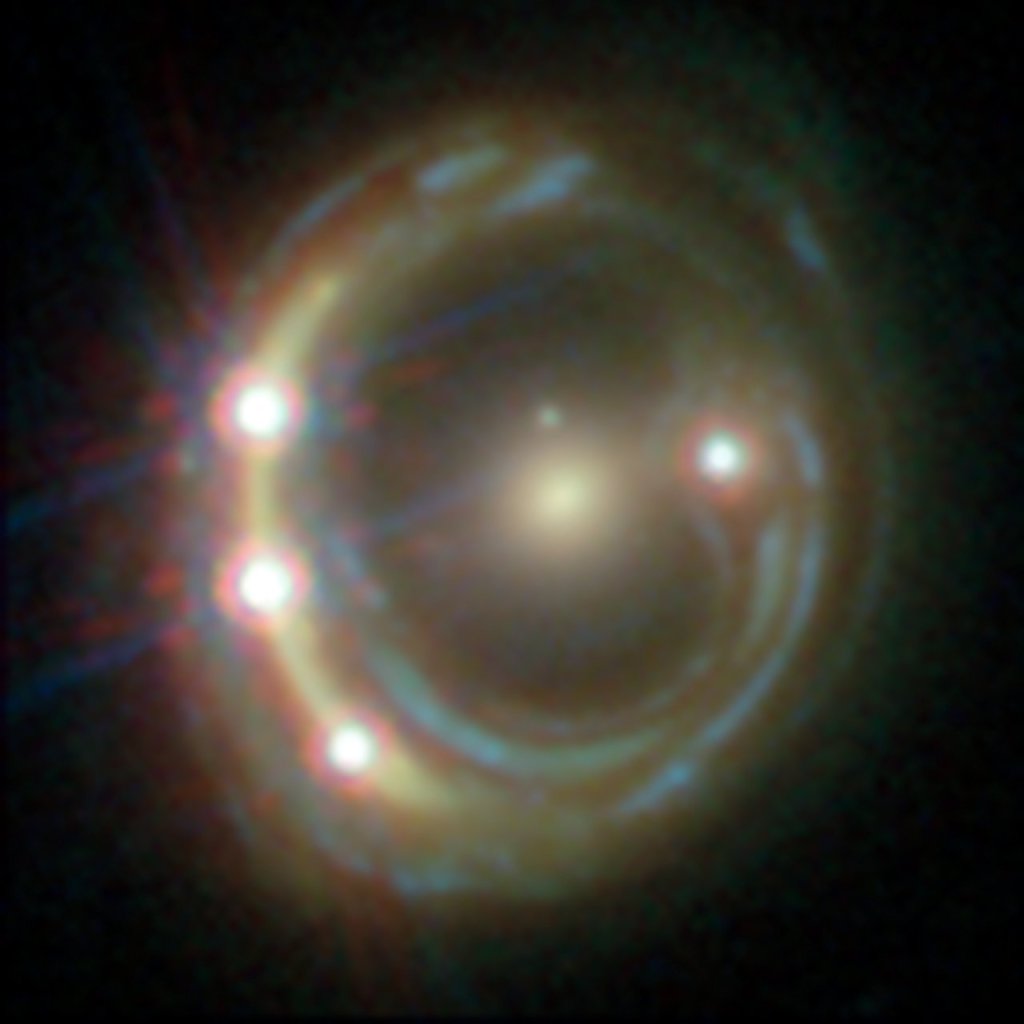
A groundbreaking study examining the strong gravitational lens, B1422+231, has used the Atacama Large Millimeter Array (ALMA) to explore the potential role of primordial black holes (PBHs) as a constituent of dark matter.
-
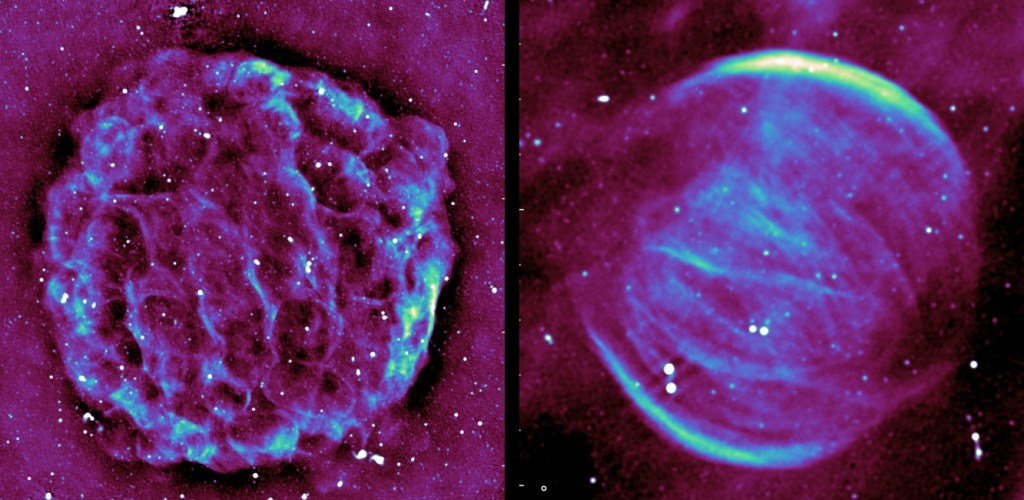
In a new study, astronomers have utilized the MeerKAT radio observatory to investigate 36 supernova remnants (SNRs) across a specific frequency range. The observations unveiled detailed, high-dynamic-range images brimming with intricate structures, marking a significant advancement in our understanding of these celestial phenomena.
-
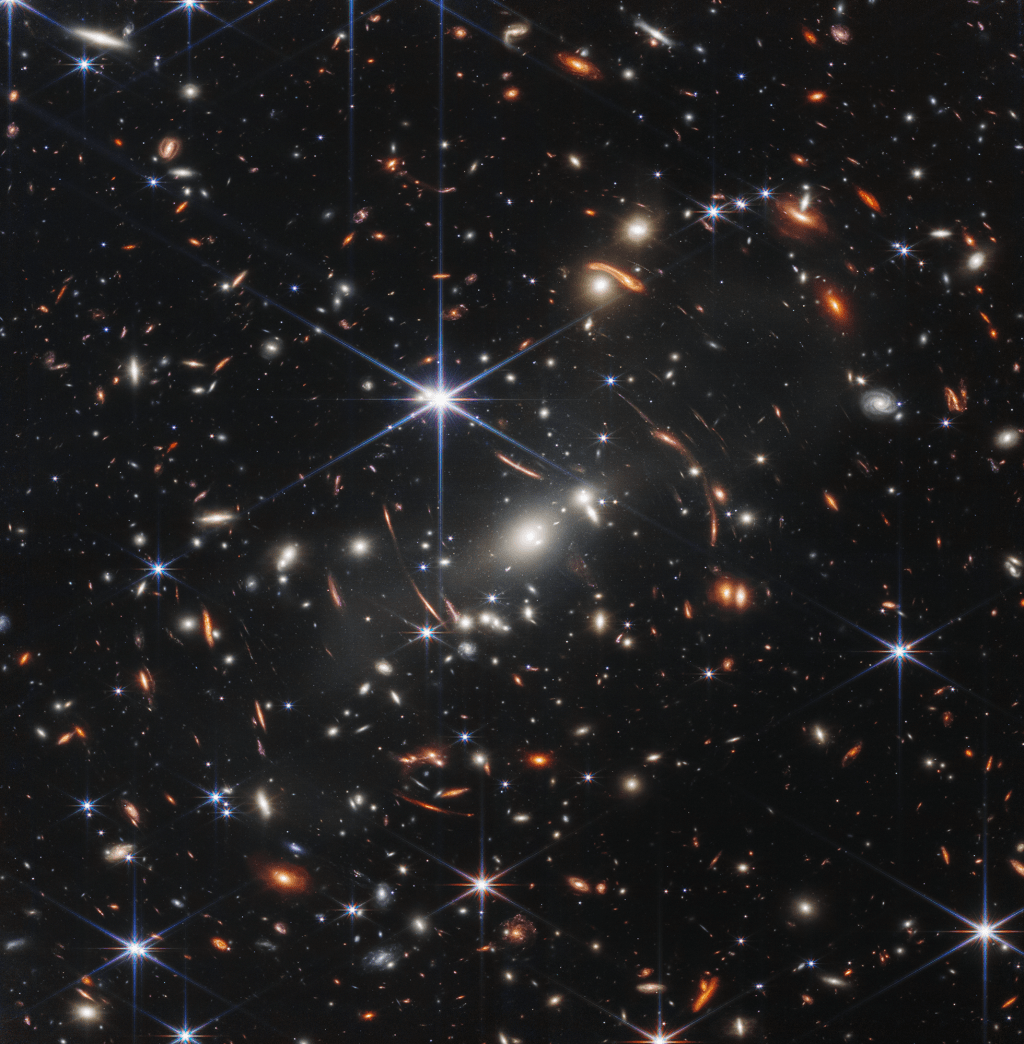
Astronomers have made a significant leap forward in understanding the mysterious formation and evolution of thick disks in galaxies, a prevalent structure not only in distant galaxies but also in our own Milky Way.
-
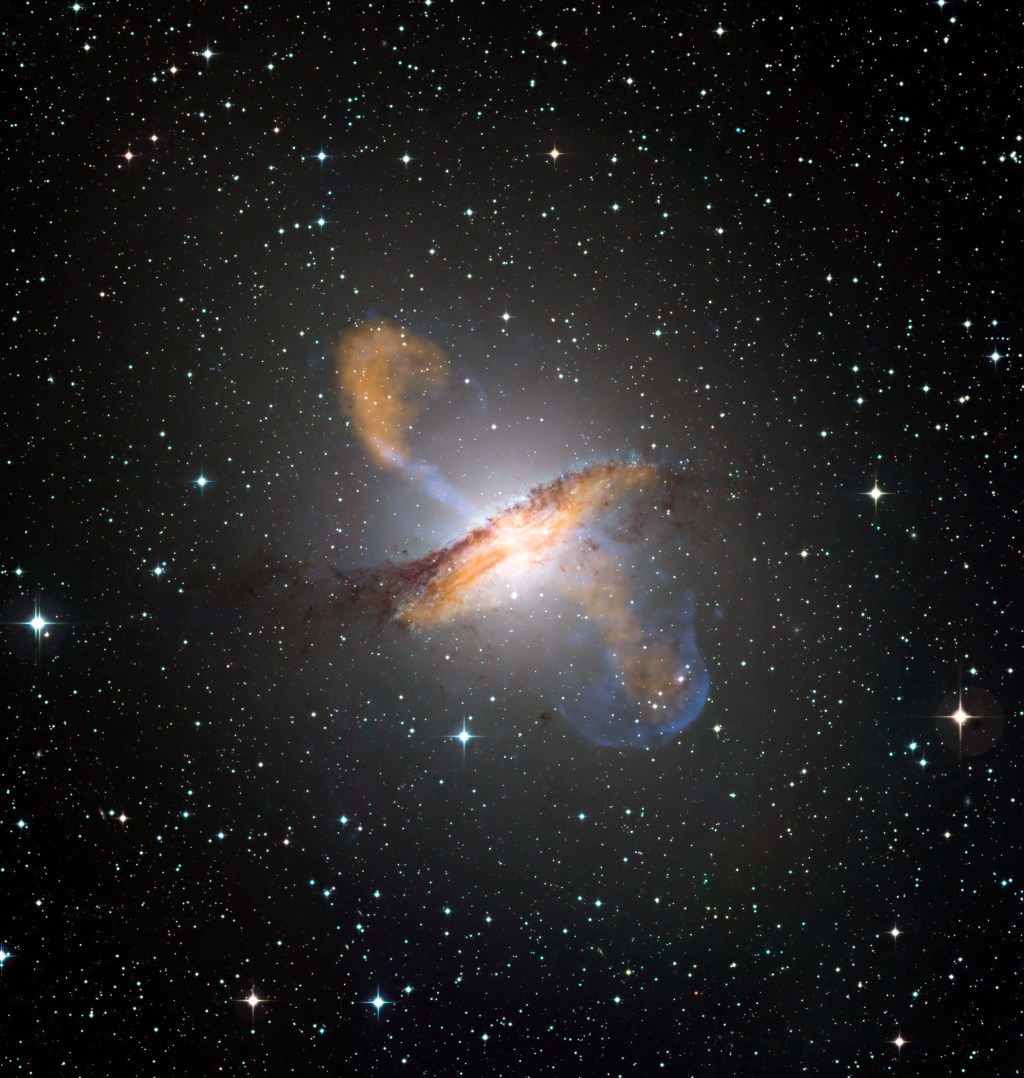
In a recent astronomical breakthrough, scientists have discovered an exceptionally obscured, radio-loud active galactic nucleus (AGN) candidate, marking the highest redshift observed in such a category. Utilizing the unparalleled capabilities of the James Webb Space Telescope (JWST) combined with multifrequency radio observations and mid-IR photometry, researchers have identified a massive supermassive black hole (SMBH) in…
-
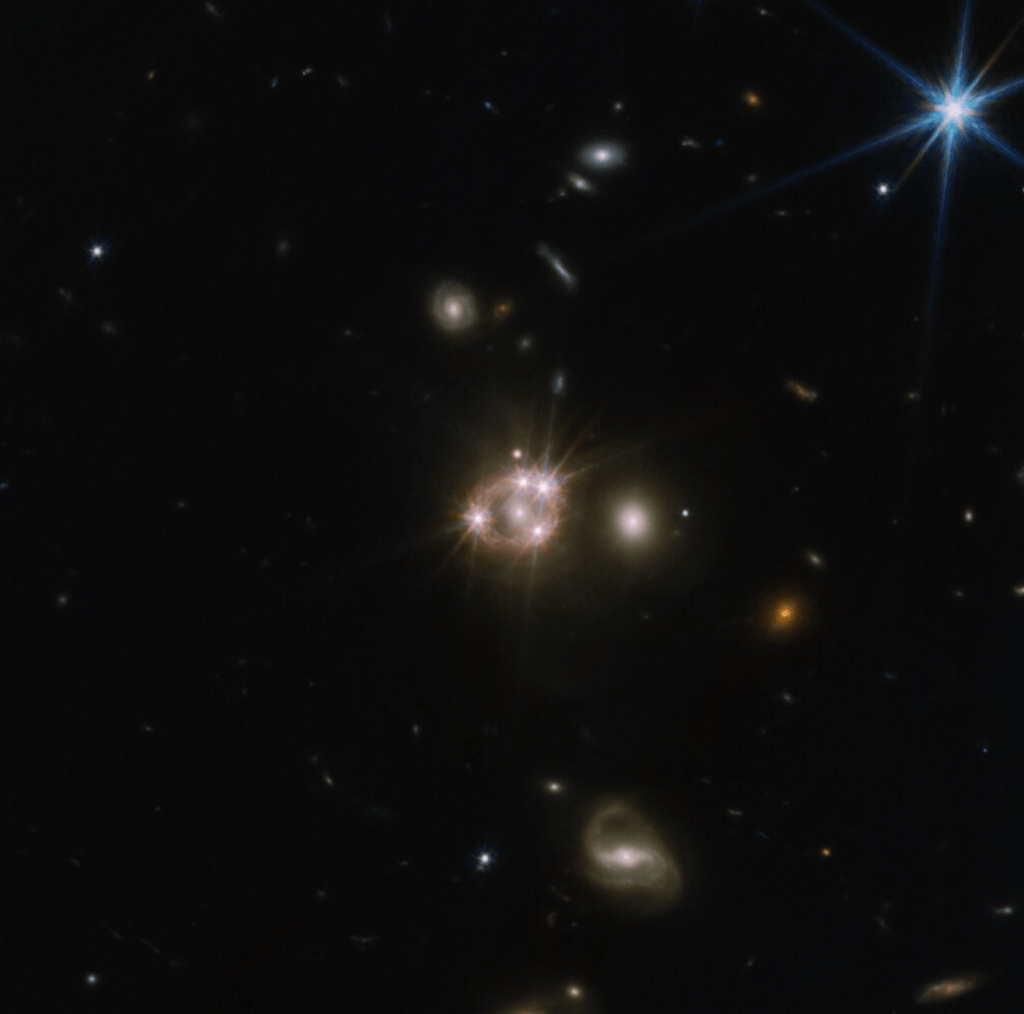
In a groundbreaking effort, scientists have leveraged the Dark Energy Spectroscopic Instrument (DESI) Legacy Imaging Surveys to hunt for strongly lensed quasars, a critical step in refining our measurement of the universe’s expansion rate, known as the Hubble constant.
-
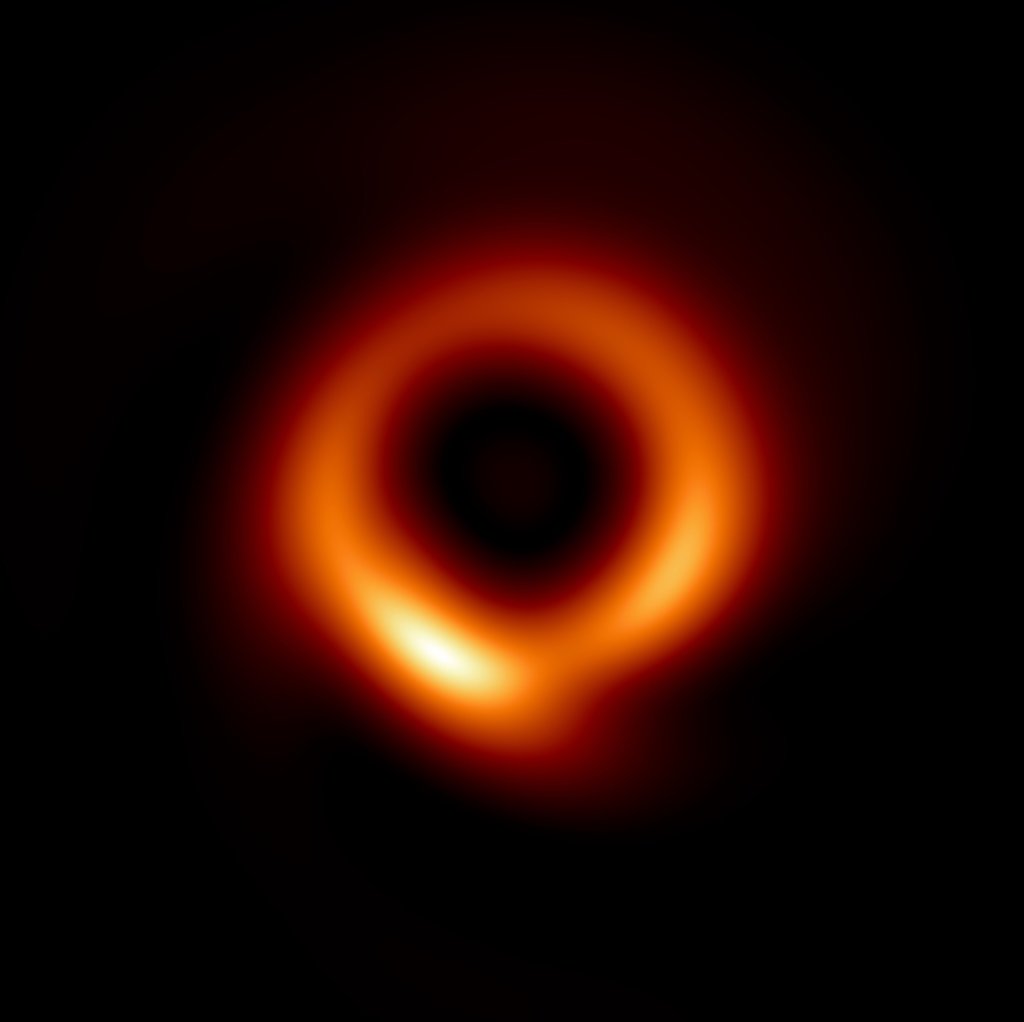
In a groundbreaking discovery, the Event Horizon Telescope (EHT) Collaboration has unveiled the first horizon-scale images of two supermassive black holes, M87* and Sgr A*.
-
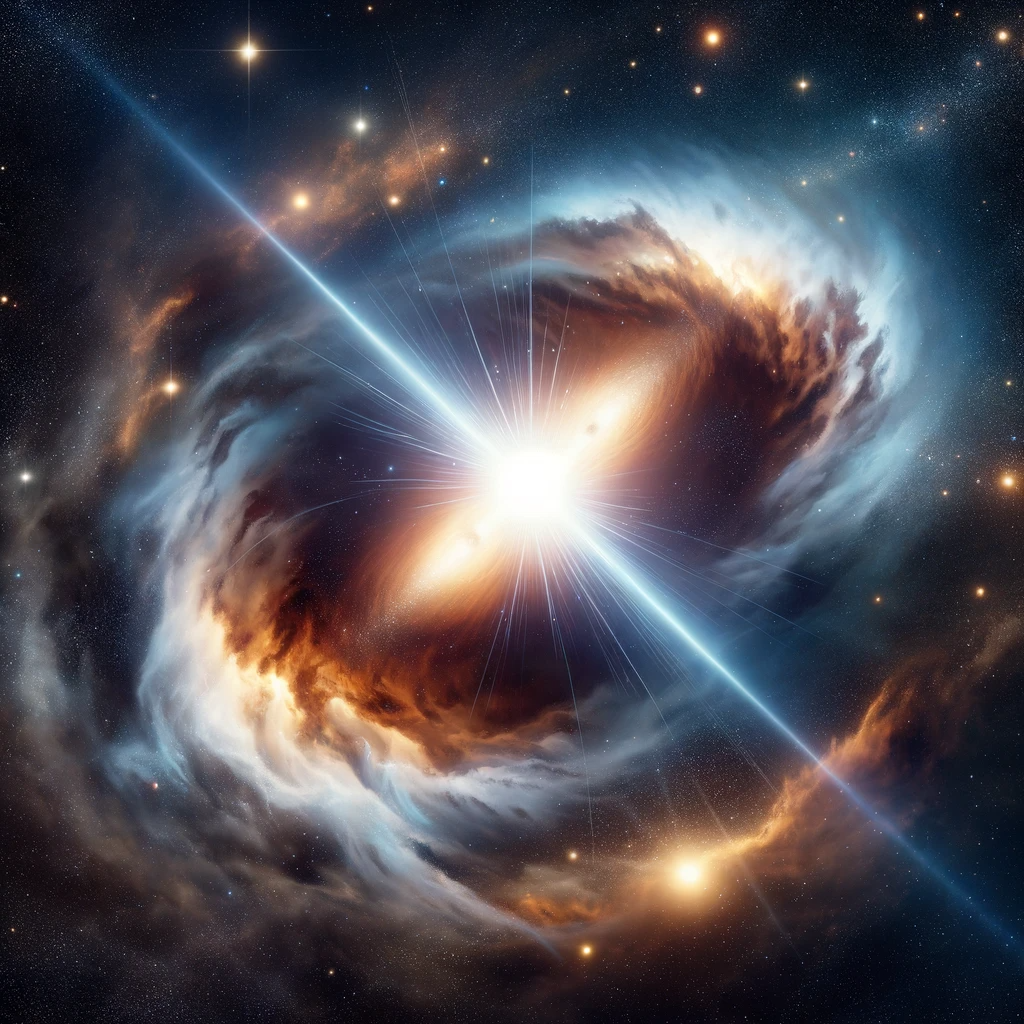
Quasars, or quasi-stellar objects, are some of the most luminous and enigmatic objects in the universe, offering a window into the early epochs of cosmic evolution and the mechanics of supermassive black holes. These celestial phenomena challenge our understanding of physics under extreme conditions and play a critical role in the study of galaxy formation…
Bringing you news about the universe down to earth daily
Proudly Powered by WordPress
 ad*astra daily