
-
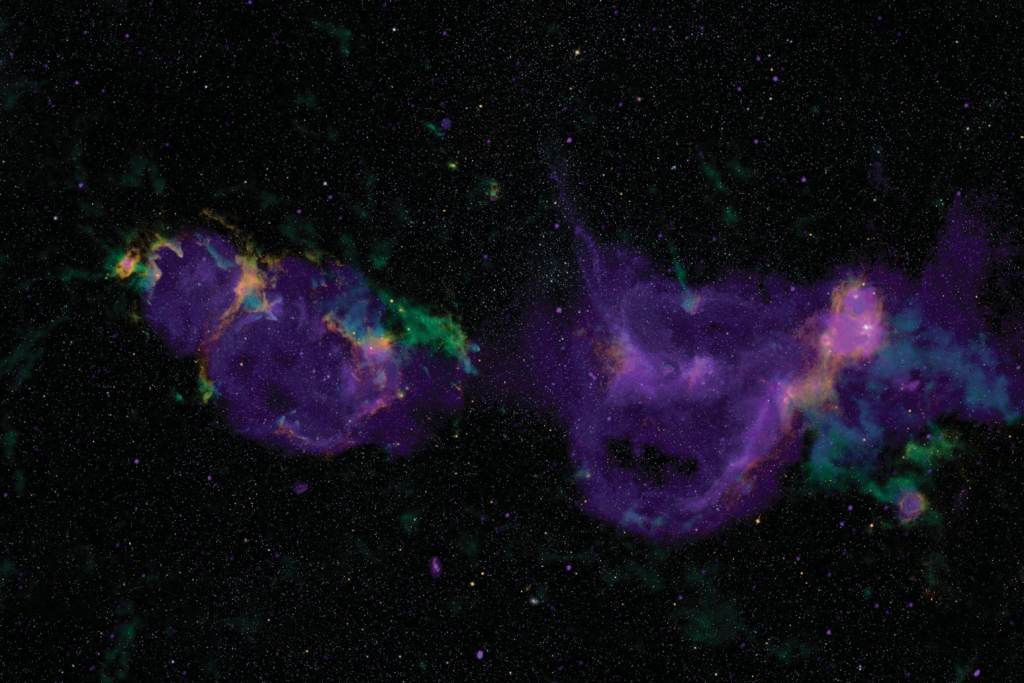
Astronomers have recently conducted an in-depth study of the W5-NW star-forming complex, uncovering clear signs that collisions between clouds of gas in space can trigger the birth of stars and even entire star clusters. This complex, part of the larger W3/W4/W5 molecular cloud system located in the Perseus spiral arm of the Milky Way, has…
-
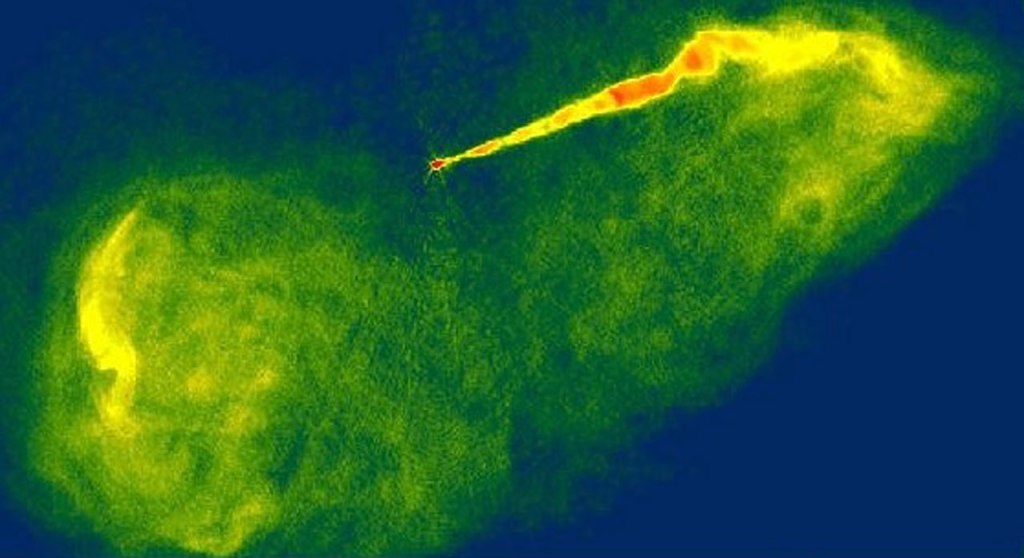
In a recent series of observations, astronomers have achieved new insights into the supermassive black hole at the heart of Messier 87 (M87), shedding light on the complex processes of accretion and jet formation in one of the universe’s most enigmatic objects.
-
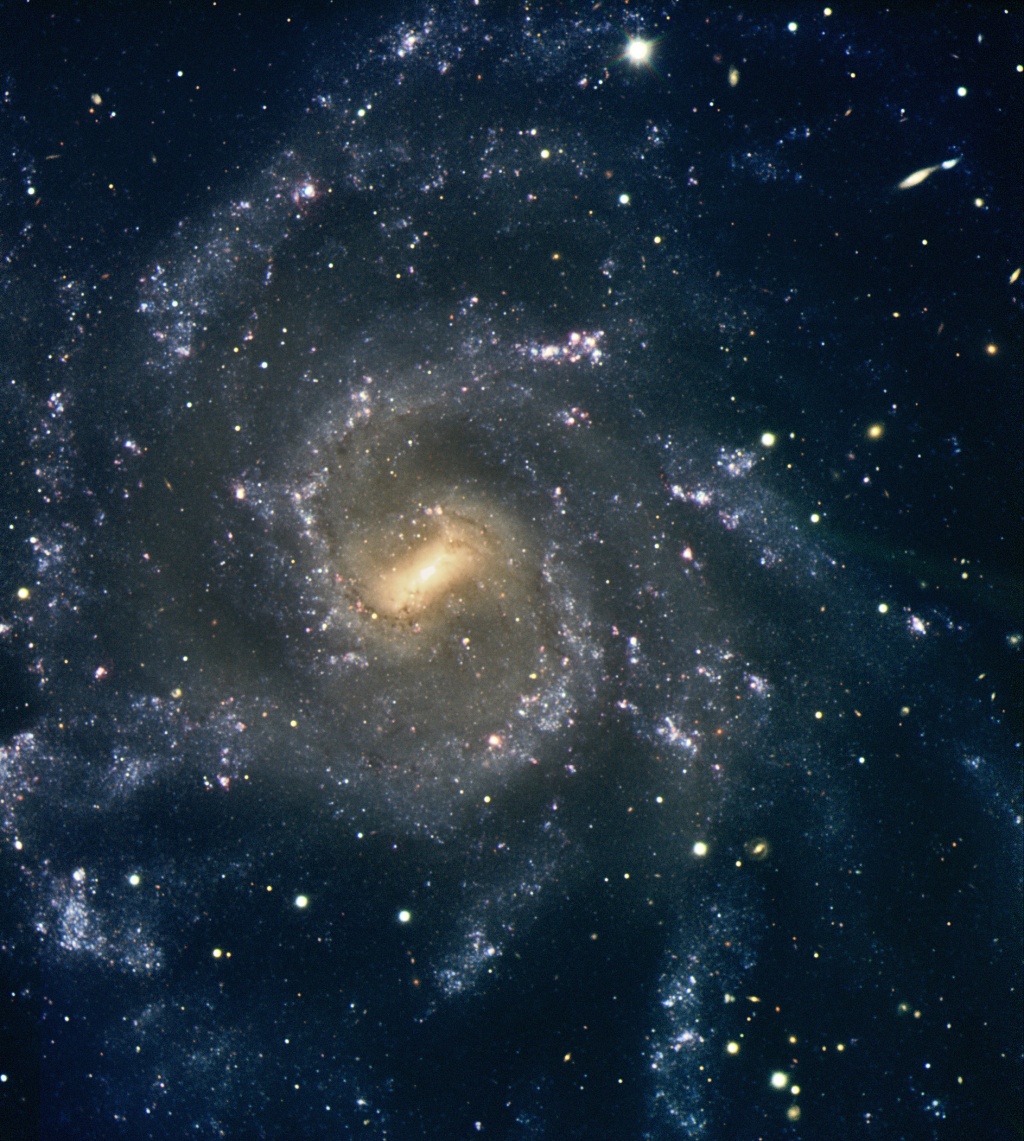
In a recent study focusing on the spiral galaxy NGC 7424, astronomers have made significant discoveries regarding two ultraluminous X-ray sources, designated as 2CXO J225728.9−410211 (X-1) and 2CXO J225724.7−410343 (X-2). These sources have exhibited X-ray luminosities reaching 10,000 times the total power output of the Sun, challenging existing theories of stellar accretion and evolution.
-
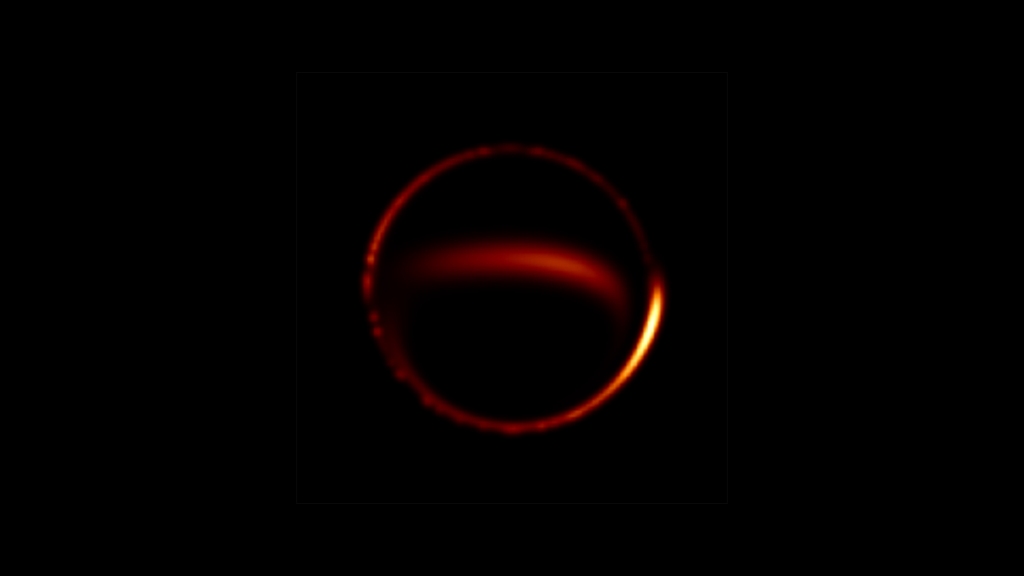
In an era where the imaging of black hole shadows through the Event Horizon Telescope (EHT) has captivated the scientific community, a recent study has delved deeper into the phenomena of gravitational microlensing and its implications on these cosmic portraits. Researchers have meticulously analyzed how the gravitational field of intervening compact objects can distort the…
-
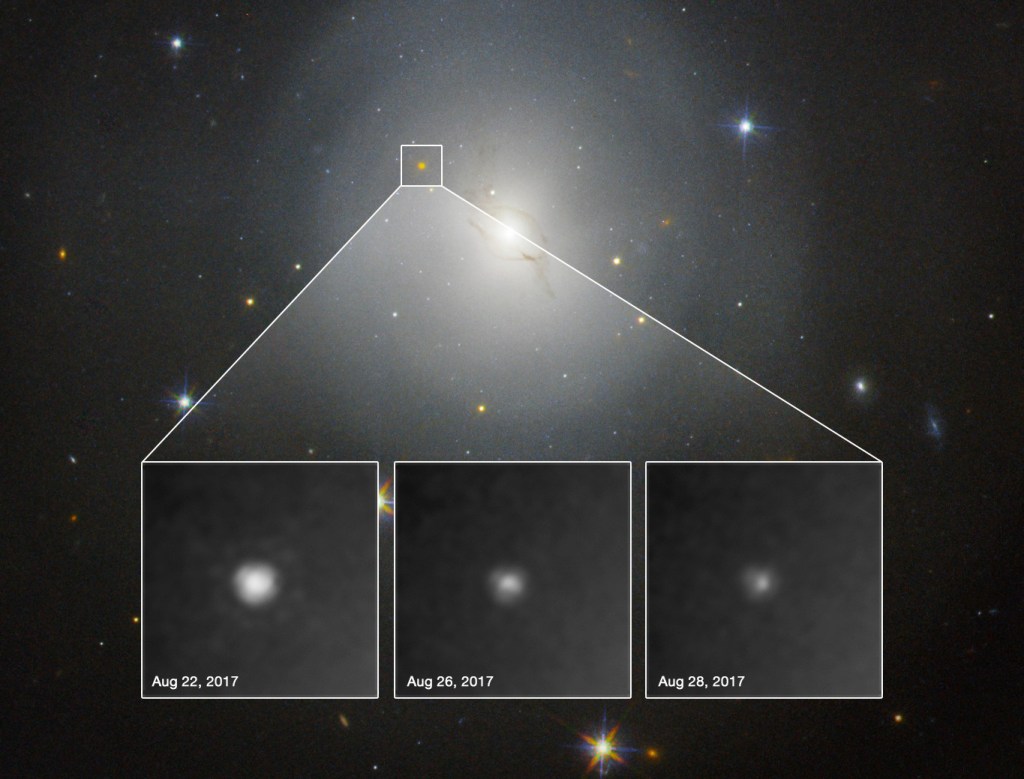
Recent research has revealed isotopes 60Fe and 244Pu in 3 to 4 million-year-old ocean sediments, offering insights into a longstanding cosmic mystery. These discoveries challenge traditional beliefs regarding the cosmic origins of these elements, previously attributed to supernovae and neutron star mergers.
-
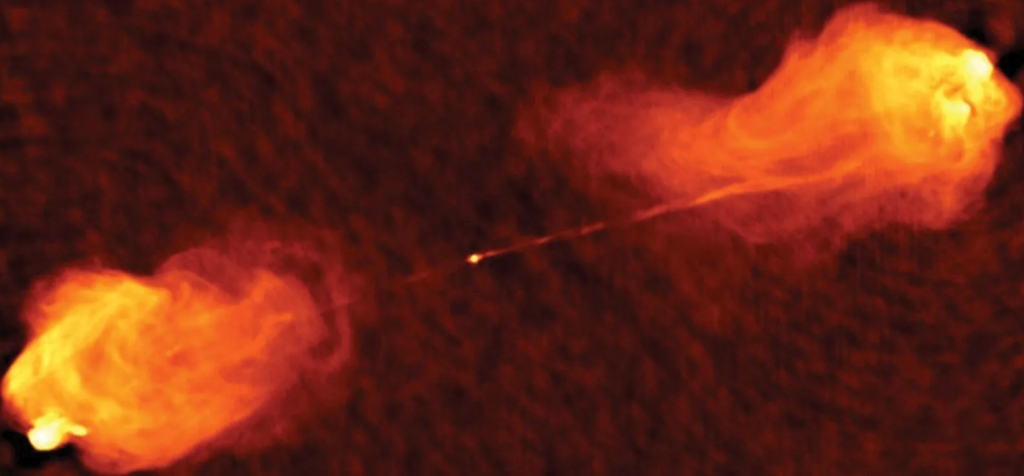
In a new study, astronomers have unveiled the discovery of the most distant heavily obscured, radio-loud active galactic nucleus (AGN) candidate to date, identified in the COSMOS-Web field using a combination of James Webb Space Telescope (JWST) NIRCam/MIRI imaging, mid-infrared, submillimeter, and radio data.
-
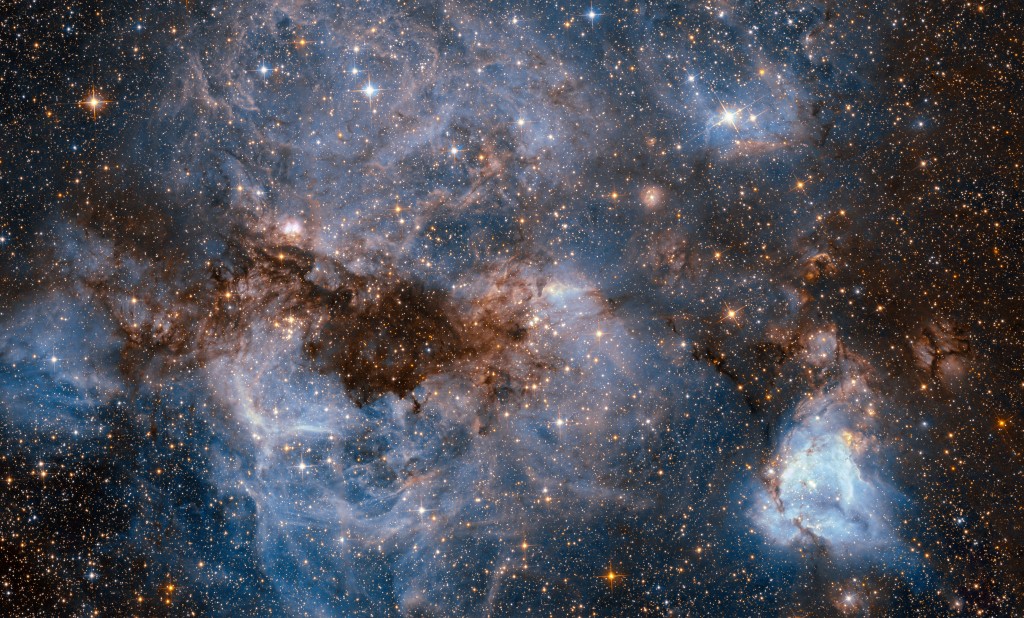
In a new study utilizing Gaia Data Release 3 among other spectroscopic surveys, astronomers have identified 519 high-velocity stars (HiVels) traversing the Milky Way at speeds exceeding 70% of the local escape velocity. These stars, predominantly metal-poor late-type giants, exhibit complex trajectories and origins. Notably, nine of these stars are prime candidates for escaping the…
-
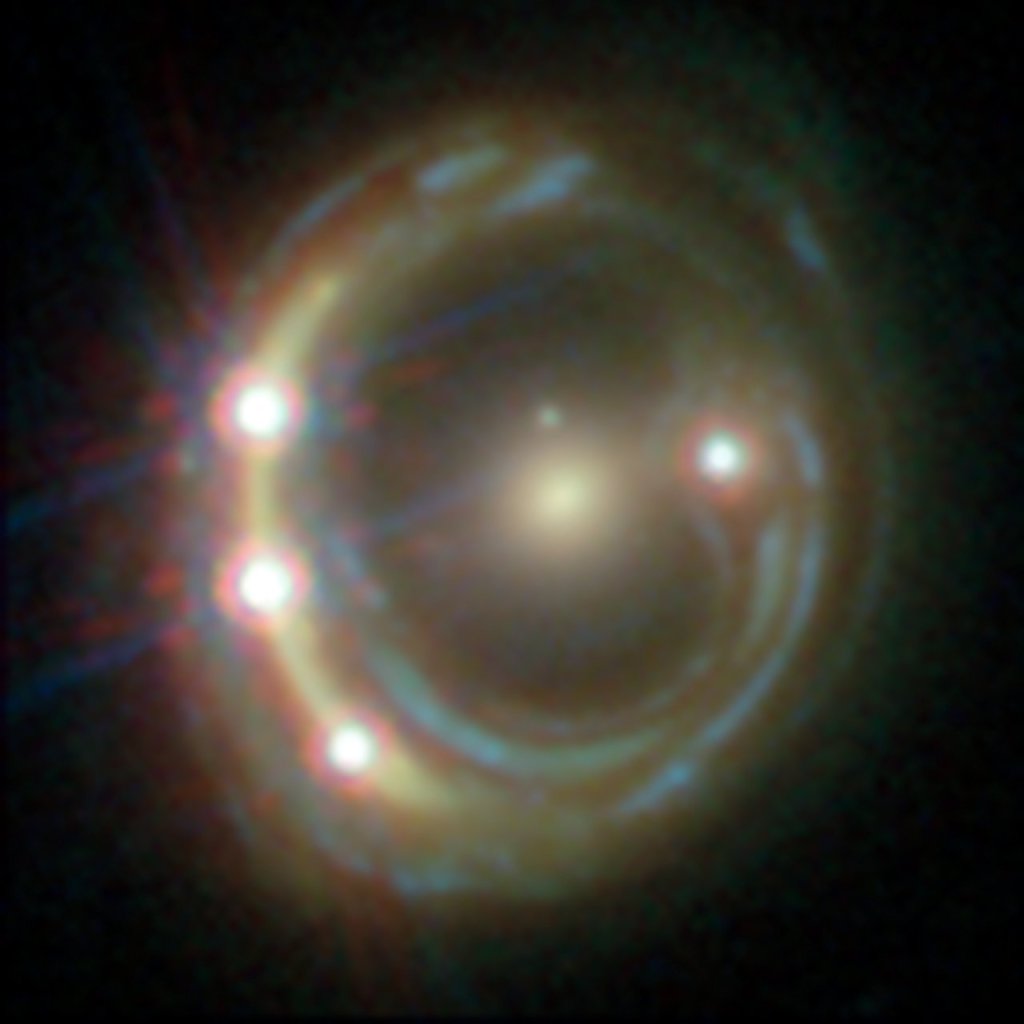
A groundbreaking study examining the strong gravitational lens, B1422+231, has used the Atacama Large Millimeter Array (ALMA) to explore the potential role of primordial black holes (PBHs) as a constituent of dark matter.
-
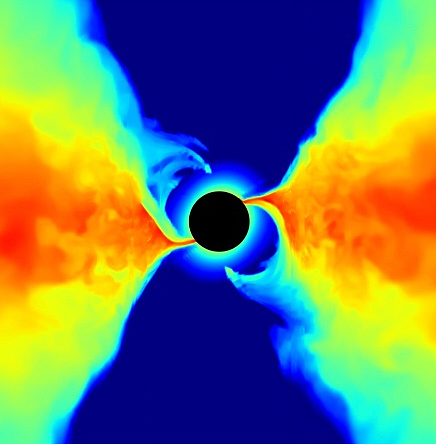
In a new study, astrophysicists have delved deep into the enigmatic realm of neutron stars and black holes in X-ray binaries, known for their powerful and focused jets during specific spectral states. Recent strides in computational astrophysics have allowed researchers to utilize numerical simulations to unravel the complexities behind jet formation and its characteristics.
-
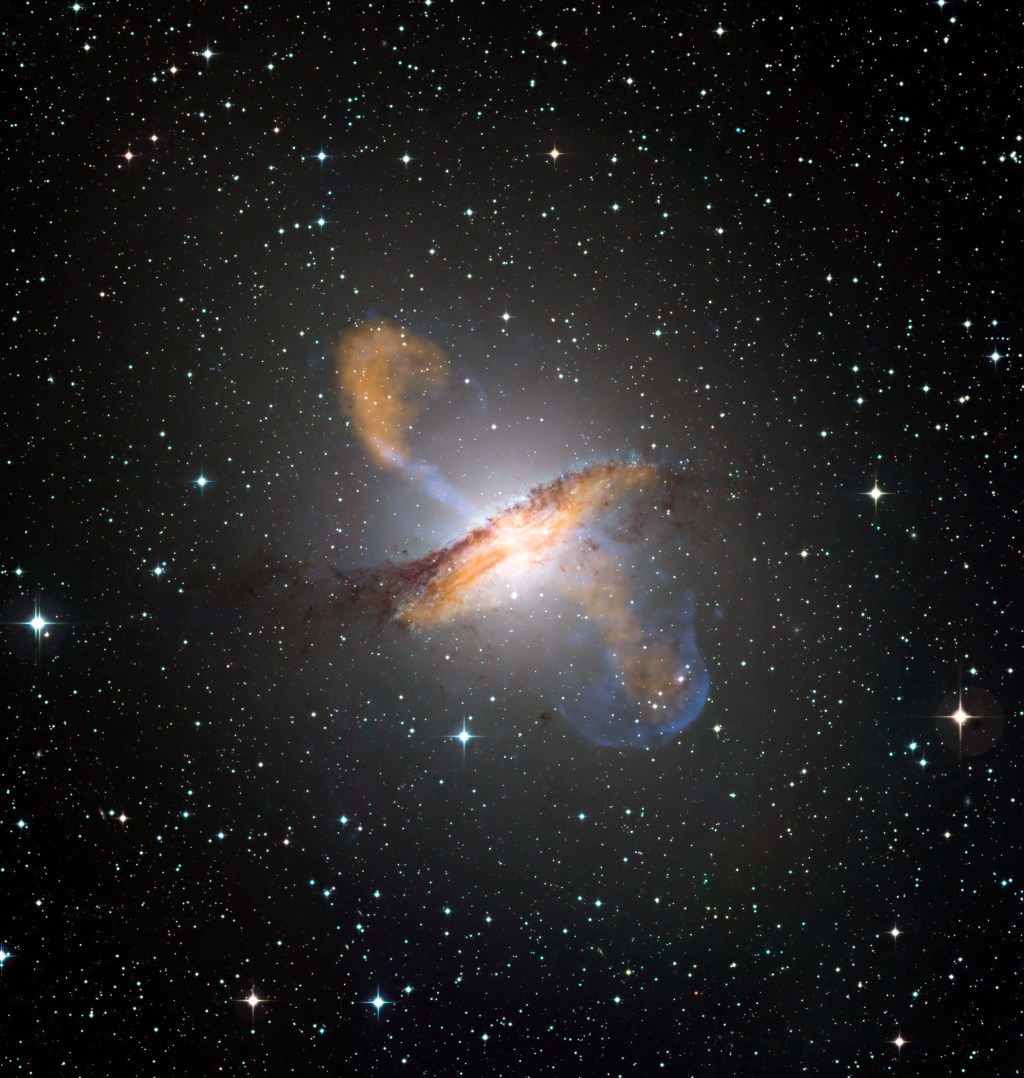
In a recent astronomical breakthrough, scientists have discovered an exceptionally obscured, radio-loud active galactic nucleus (AGN) candidate, marking the highest redshift observed in such a category. Utilizing the unparalleled capabilities of the James Webb Space Telescope (JWST) combined with multifrequency radio observations and mid-IR photometry, researchers have identified a massive supermassive black hole (SMBH) in…
Bringing you news about the universe down to earth daily
Proudly Powered by WordPress
 ad*astra daily